🎙️ Architecture Research & Development (ARD): 2005–2025 Journey Toward a Smart, Sustainable Bangladesh
Phase I – The Beginning (2005–2007): Human-Centered Design
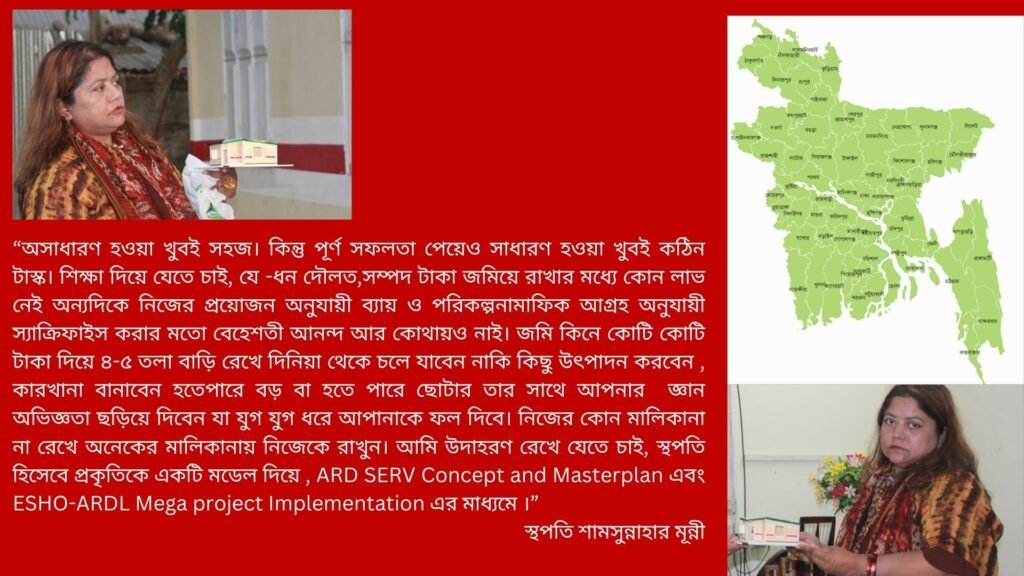
ARD’s story began in 2005 with a deeply personal realization — the need to design environments that truly support people’s lives.
As a young mother and architect, I witnessed how women at home lacked access to networks, creative space, and independence. That experience inspired my first concept:
building a social ecosystem inside the home — where architecture could enable dignity, livelihood, and emotional well-being.
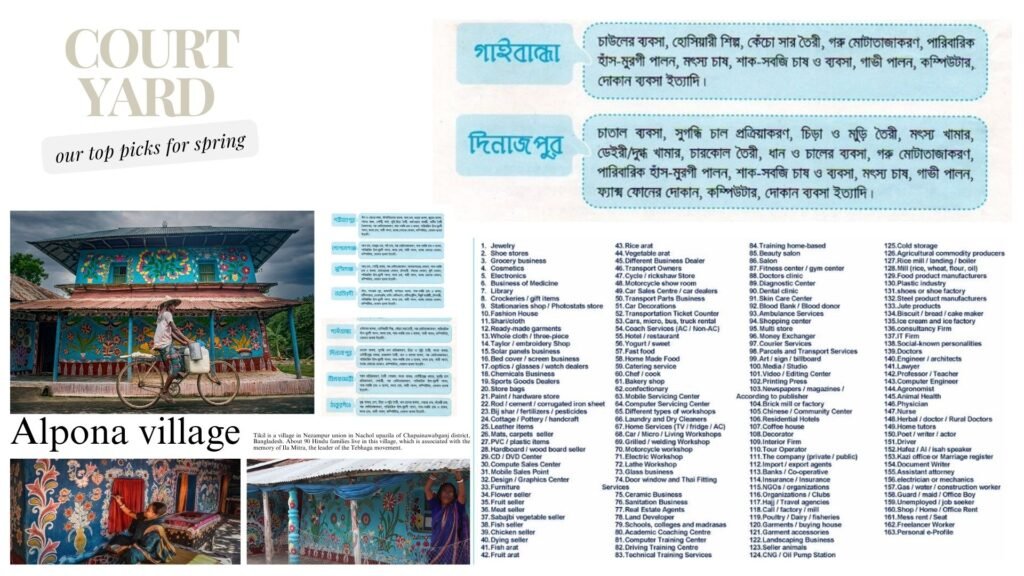
Between 2005 and 2007, we extended this idea into a larger framework: creating employment opportunities across rural, semi-urban, and urban Bangladesh through design, planning, and localized resource use.
Phase II – Nationwide Survey & Human Resource Development (2007–2009)
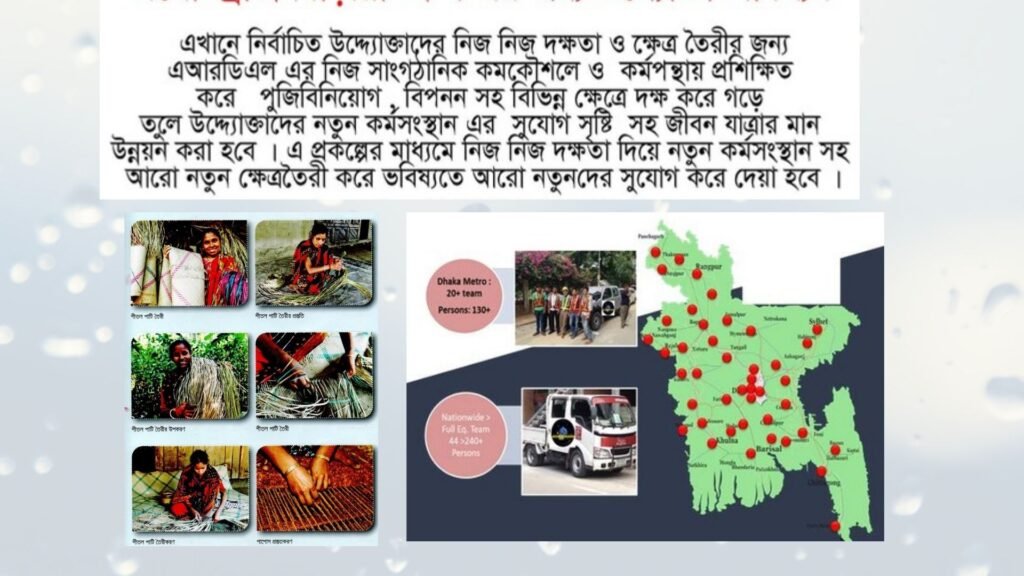
From 2007 to 2009, ARD conducted extensive surveys across 4,479 unions, mapping resources, social infrastructure, and skill potentials.
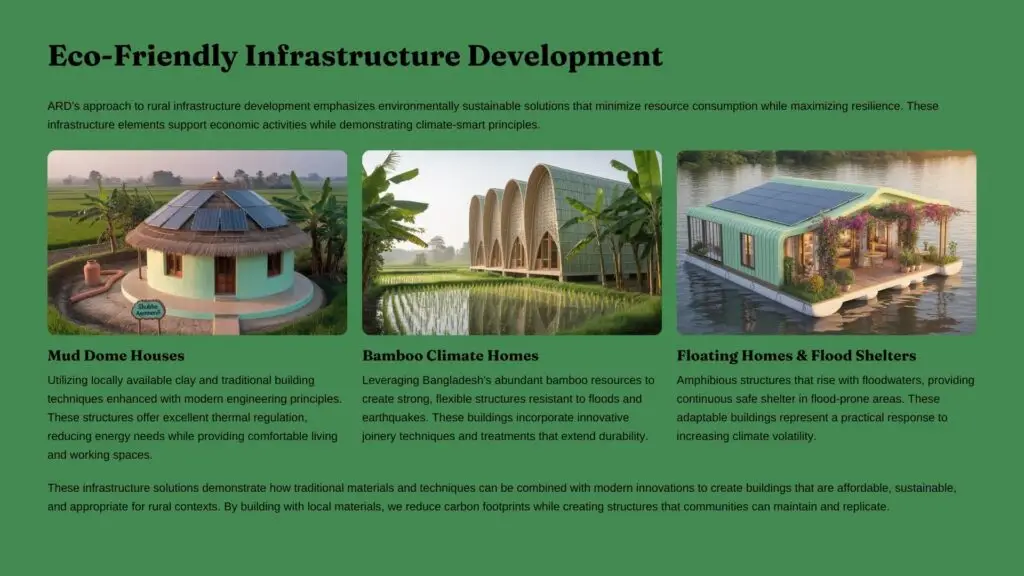
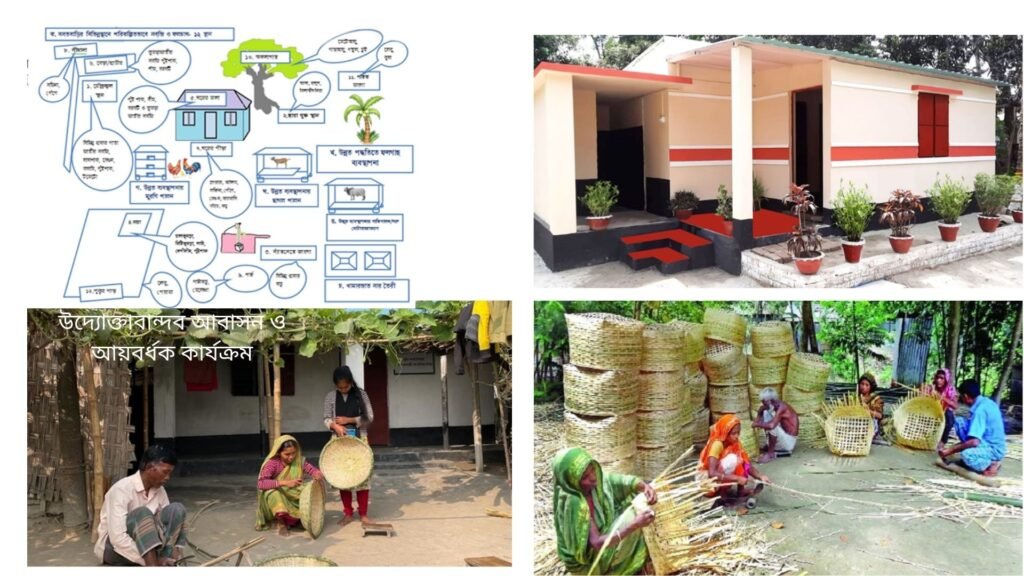
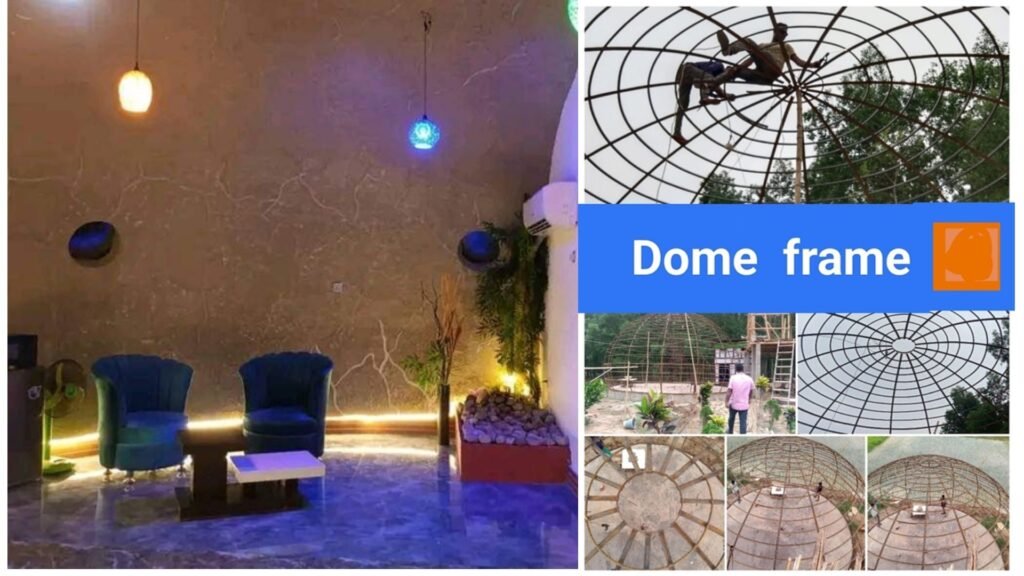
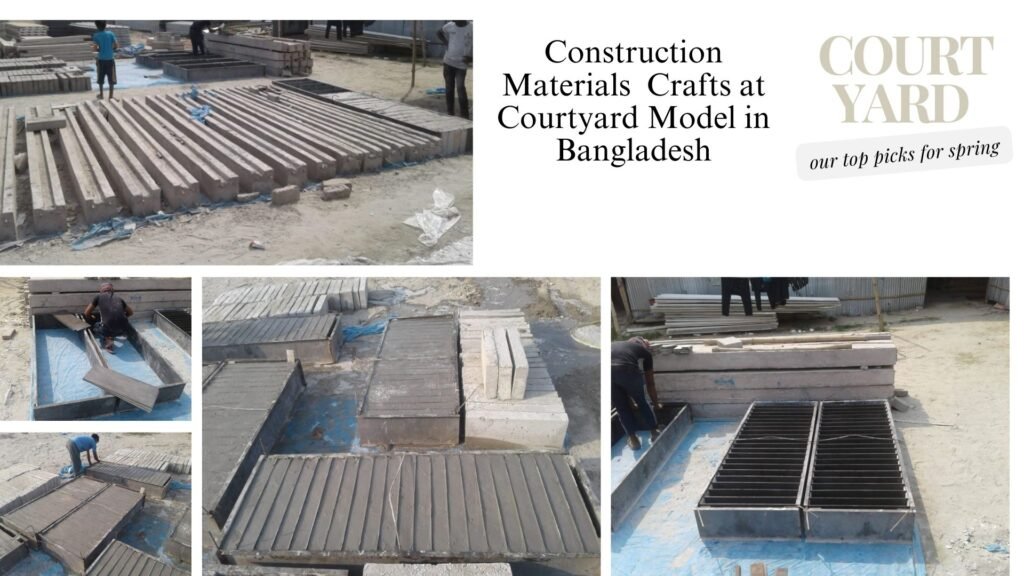
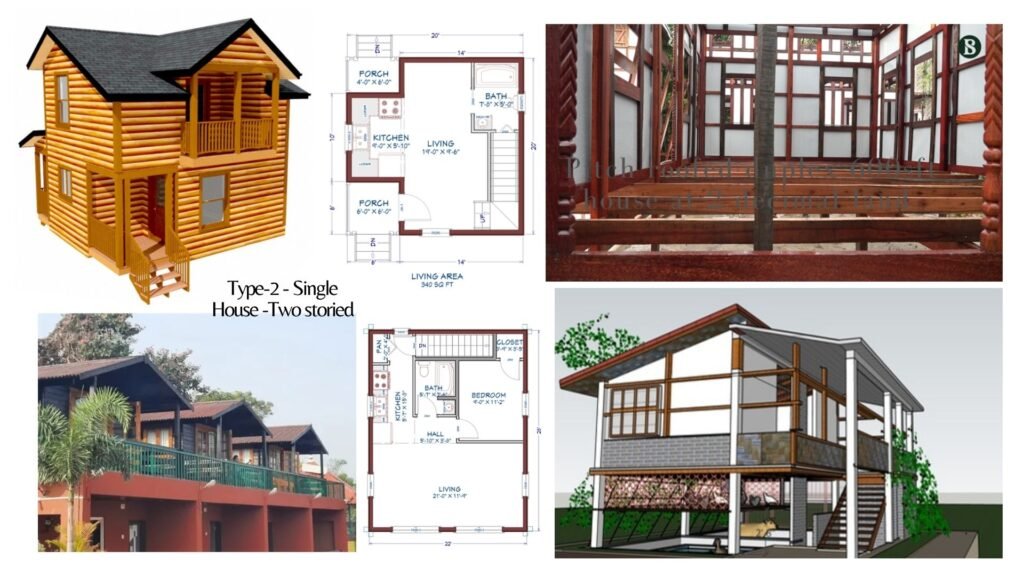
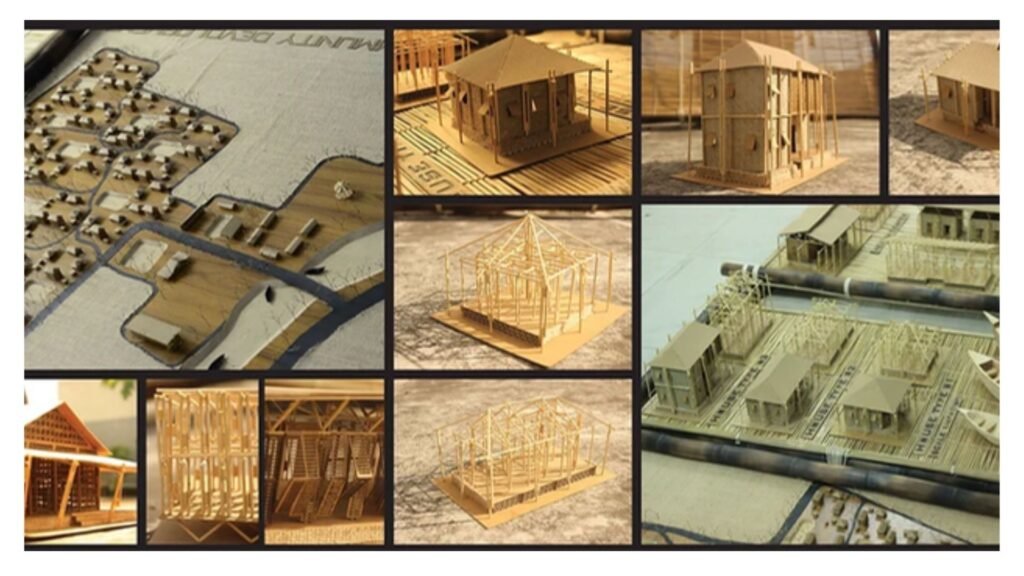
We developed a sustainable habitation model using locally available, affordable materials and introduced a human-resource training program:
three coordinators per union, each trained for 3–6 months.
The course fee was BDT 5,570, and over 30,000 applicants applied nationwide.
Although our fundraising goal was BDT 7.48 crore, we trained 300 participants during the pilot phase.
This data shaped a stronger model, expanding into 534 unions — areas with local police stations for better safety and coordination.
Phase III – Facing Challenges & Global Interest (2009–2013)
As a woman-led organization, ARD faced social, political, and institutional resistance.
Despite those barriers, our ideas attracted global investors:
British Investment Group (BIG) pledged USD 150 million (≈ BDT 1,567 crore), submitted to BIDA.
ANZA International (Canada) offered another USD 150 million through NGO partnerships.
Both proposals reached the Prime Minister’s Office, yet bureaucratic corruption and greed halted progress.
We refused to compromise integrity — and moved forward independently.
During this time, ARD implemented its own survey, feasibility, and beneficiary-selection programs, operating step by step under the AID Model.
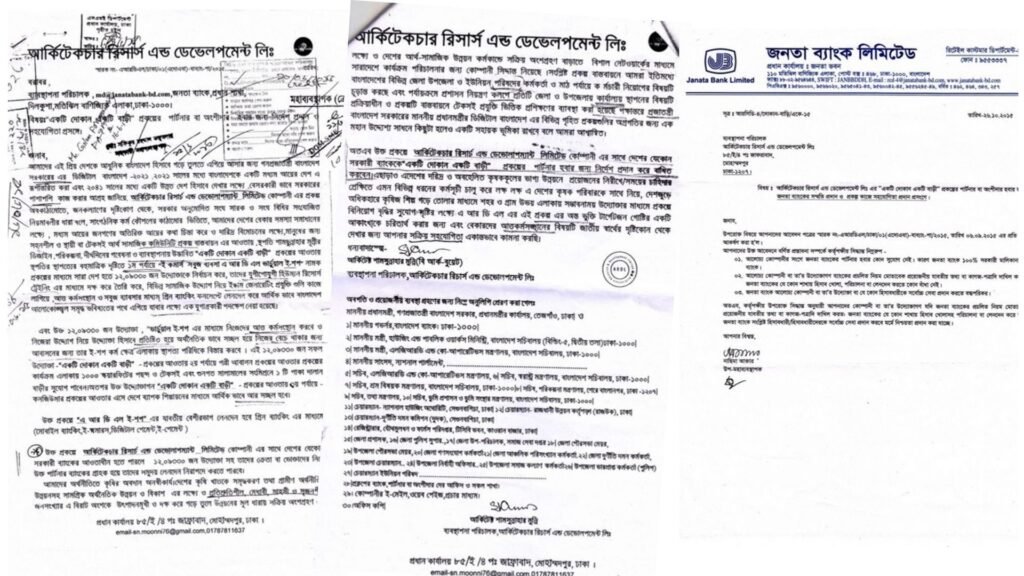
Each union targeted 270 trained entrepreneurs, and ARD partnered with Janata Bank, which agreed to finance graduates of our training.
This partnership birthed the “ESHO Smart Home” concept — One House, One Business Center.
Phase IV – Expansion and Real-World Projects (2013–2018)
ARD expanded into housing, tourism, and sustainable entrepreneurship:
Built and sold studio-flat business packages in Hazaribagh, Zafrabad, and West Dhanmondi.
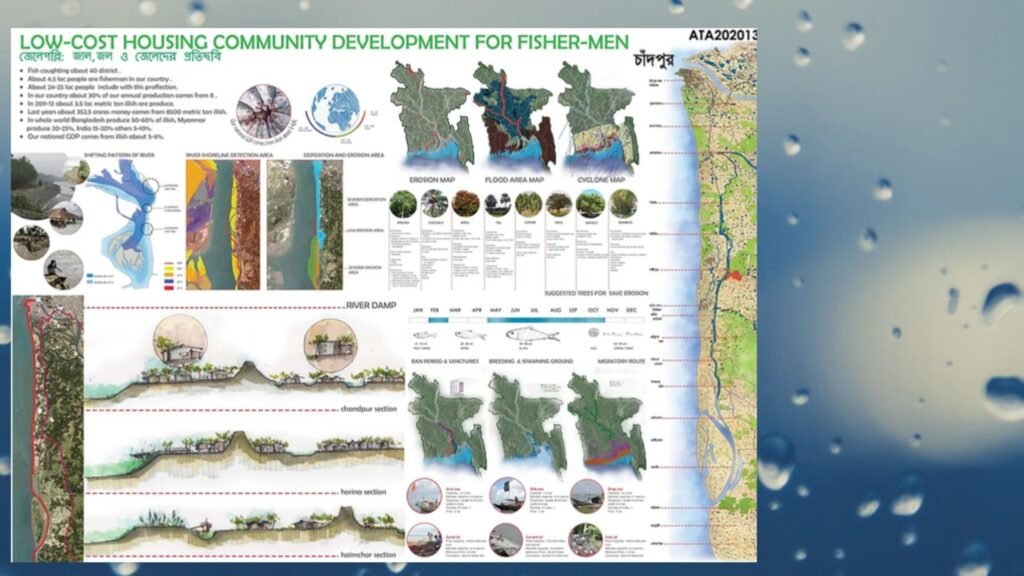
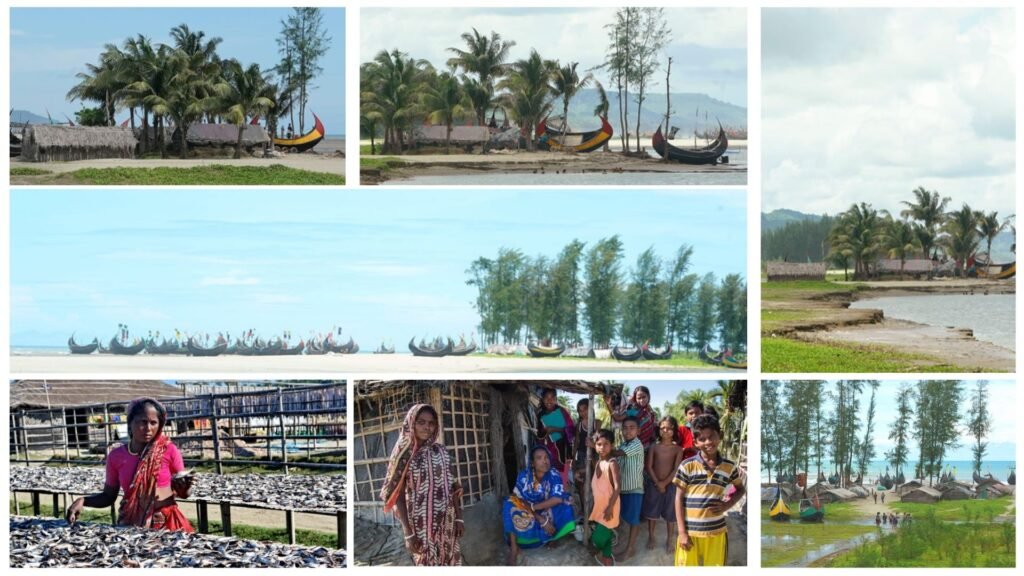
Identified riverbank areas nationwide, constructing eco-friendly homes for sale.
Launched Eco Resort and Tourism Development — linking architecture, environment, and income.
Collaborated with international NGOs on proposals, feasibility studies, and master planning for transforming arid and underdeveloped regions into productive, green economies.
Every project was self-funded. Even while carrying yearly loans of millions of Taka, ARD never stopped.
We repaid, rebuilt, and kept innovating — establishing assets like the Gazipur Training and Model House Center, and designing over 30 community clubs under the “Club Five” initiative.
Phase V – Smart Awareness & Network (Post-2020)
By 2020, concepts like smart awareness, smart networks, and digital promotion offices became mainstream — ideas that ARD had pioneered as early as 2013.
Now operating across 534 master-planned areas, our 300 change coordinators are leading regional ecosystems — combining digital innovation with community-driven entrepreneurship.
The nation has caught up to the vision we began a decade ago.
Phase VI – Advanced Urban Master Planning (2020–2024)
ARD prepared 16–17 detailed master plans in Dhaka and nearby riverfront zones, focusing on:
Employment generation
Tourism (eco, service, and cultural)
Kacha & kitchen markets
Site development & beautification
Waste and disaster management
Climate analysis
Childcare & health awareness
Physical well-being and social inclusion
These plans merge environmental resilience with urban growth, forming a blueprint for city-village integration.
Phase VII – Divisional Expansion
Using the Dhaka model, ARD divided the eight divisions into ten planning zones.
Each zone oversees 100 detailed master plans, addressing housing, agriculture, industry, tourism, education, and health.
This structure decentralizes national planning and empowers local governments under the ARD 5G–3Z Framework —
5G = Green, Global, Great Generation Group
3Z = Zero Poverty, Zero Unemployment, Zero Net Carbon.
Phase VIII – The One Crore Employment Master Plan (Post-July 2025)
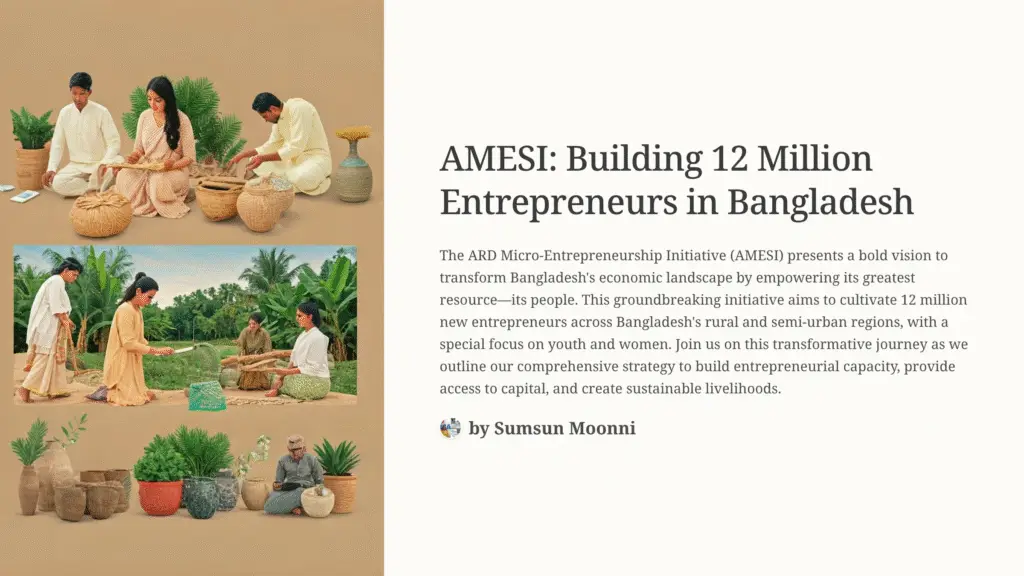
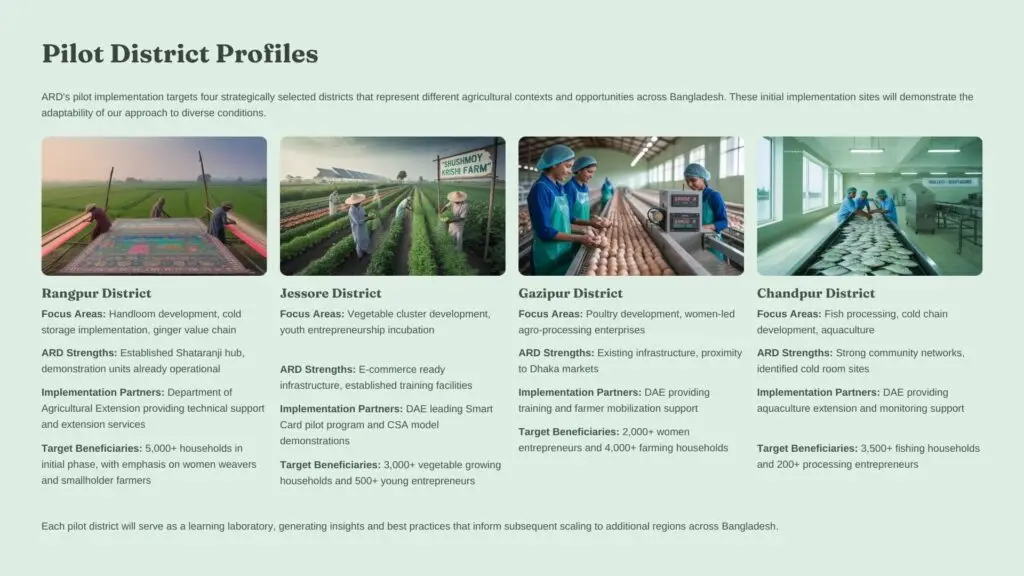
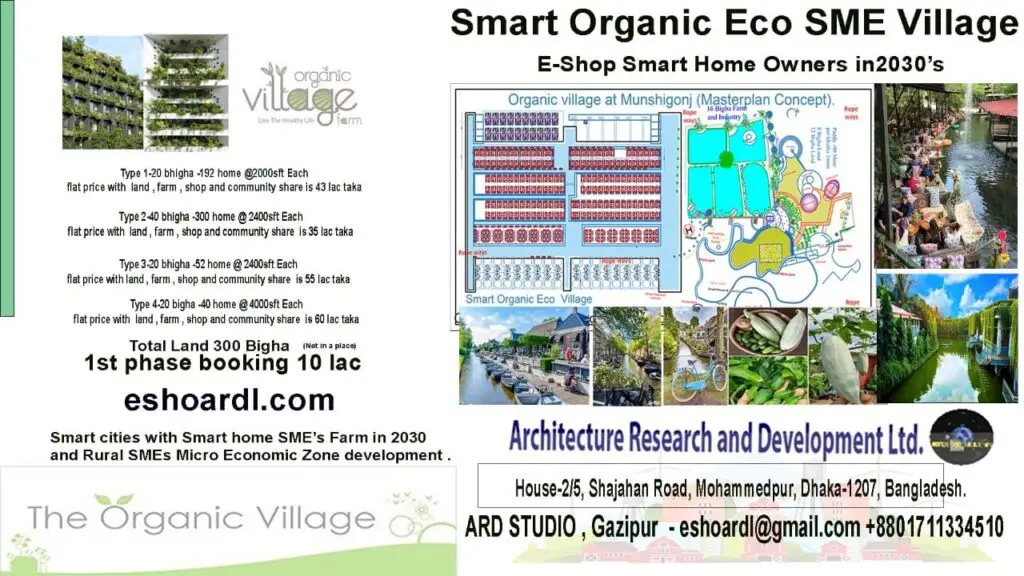
In 2025, ARD unveiled its ultimate initiative — a national master plan to create 10 million jobs through the Micro Economic Zone (MEZ) and Smart Village Ecosystem.
This integrated approach connects housing, tourism, agriculture, services, and entrepreneurship into one living economic framework.
🌿 The Current Vision: Integrated Sustainable Tourism & Livelihood Ecosystem
Our newest initiative transforms every rural and peri-urban zone into a vibrant micro-economy powered by diverse forms of thematic tourism and community innovation, including:
1. Economic & Employment Platforms
Micro Economic Zones (MEZ):
Each zone combines local farming, processing, trading, and tourism into one cluster — generating direct employment and SME growth.
Get Rich Club 5G–3Z Network:
A national social-business network linking entrepreneurs, youth, and investors through digital and physical “Smart Clubs.”
2. Thematic Tourism Initiatives
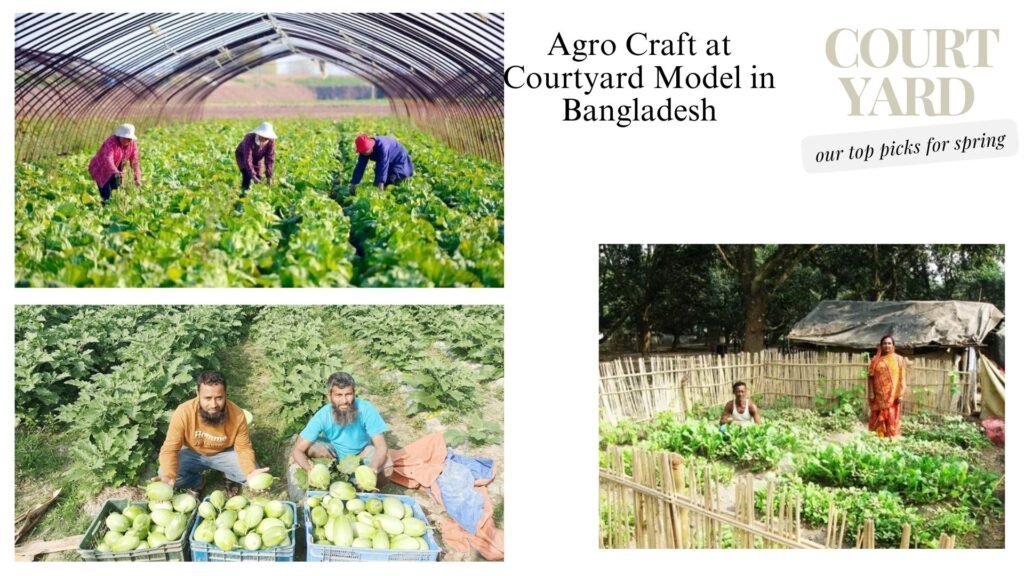
Eco Tourism & Agro Tourism: Experience farming, sustainability, and green living.
Village Tourism & Riverside Tourism: Celebrate rural culture and river heritage.
Food Tourism & Bazar Tourism: Connect local kitchens, street food, and organic markets to travelers.
Service Tourism: Empower youth through hospitality, wellness, and event services.
Sports Tourism & Camp Tourism: Encourage recreation, fitness, and youth adventure.
Club Meeting Tourism: Create dynamic hubs for knowledge exchange through 3Z and 5G Get Rich Clubs.
Education & Training Tourism: Offer workshops, technical education, and skill exchange programs.
Health Awareness & Children Picnic Tourism: Build family engagement, preventive healthcare, and joyful learning environments.
3. Sustainable Design Components
Roof Gardens & Mini Gardens: Promote urban food production and green cooling.
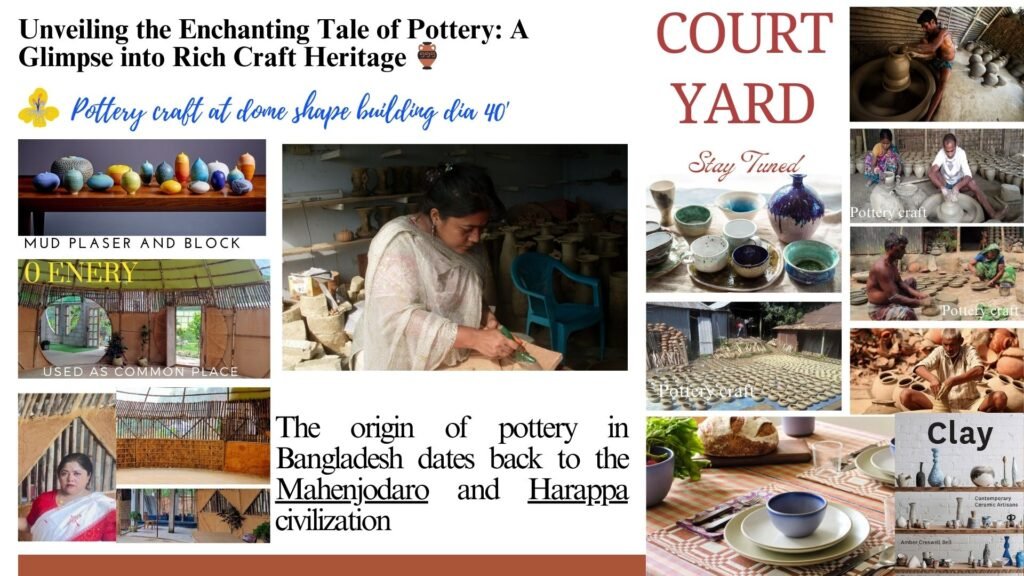
Mini Farm Villages & Craft Villages: Blend agriculture and handmade crafts into living design labs.
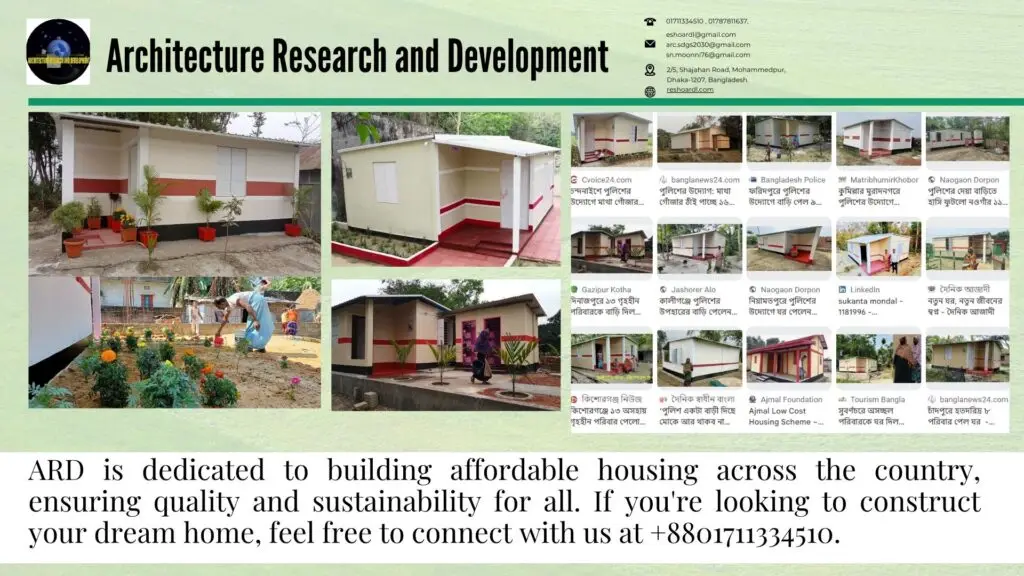
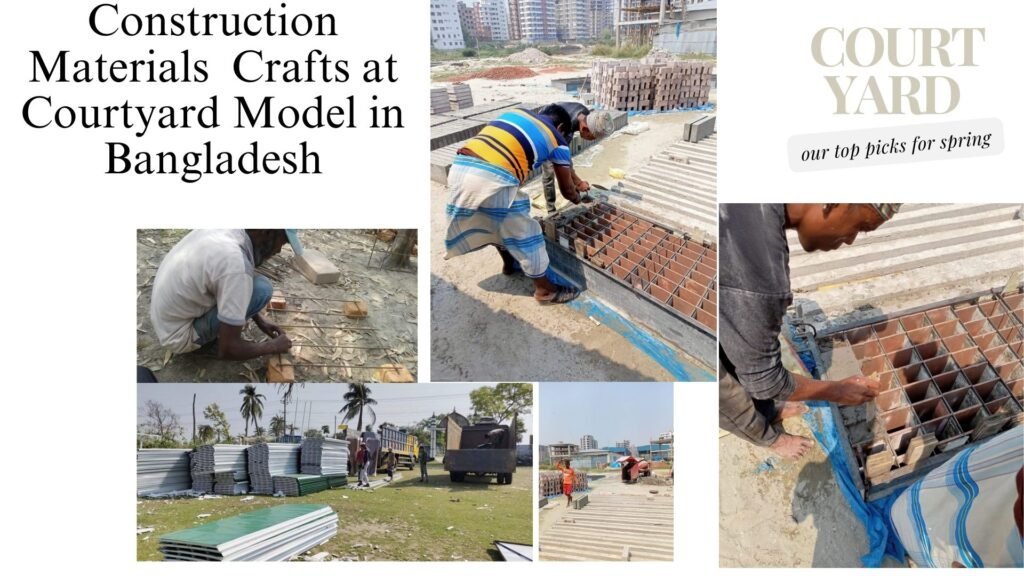
Model Homes & Zero-Waste Zones: Demonstrate low-carbon construction and circular economy principles.
Community Training Centers: Provide ongoing technical and entrepreneurial development.
🌏 Conclusion – Building the Future of Smart Bangladesh
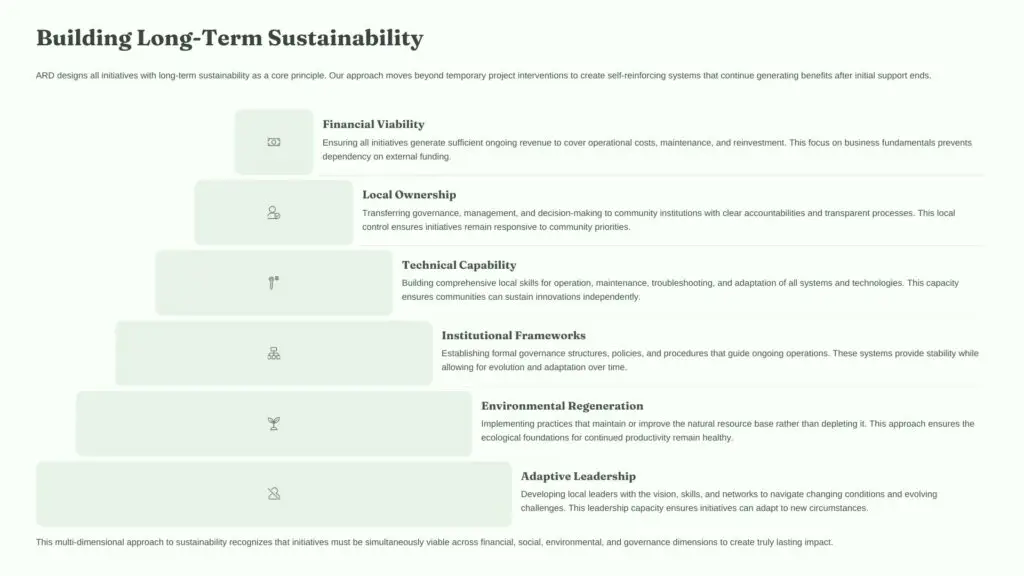
From one woman’s idea in 2005 to a nationwide 10-million-employment plan in 2025, ARD’s journey is proof that architecture can be the bridge between economy, ecology, and equity.
We have moved from vision to action — from a single home to an entire nation of smart, sustainable communities.
Our next step is global collaboration — linking Bangladesh’s innovation model with partners worldwide to achieve the UN SDGs by 2030 and realize the dream of a Smart, Resilient, and Prosperous Bangladesh 2041.