Tailored Experiences

🇧🇩 ARDL Skill-to-Enterprise Network: Empowering Local Crafts to National Growth
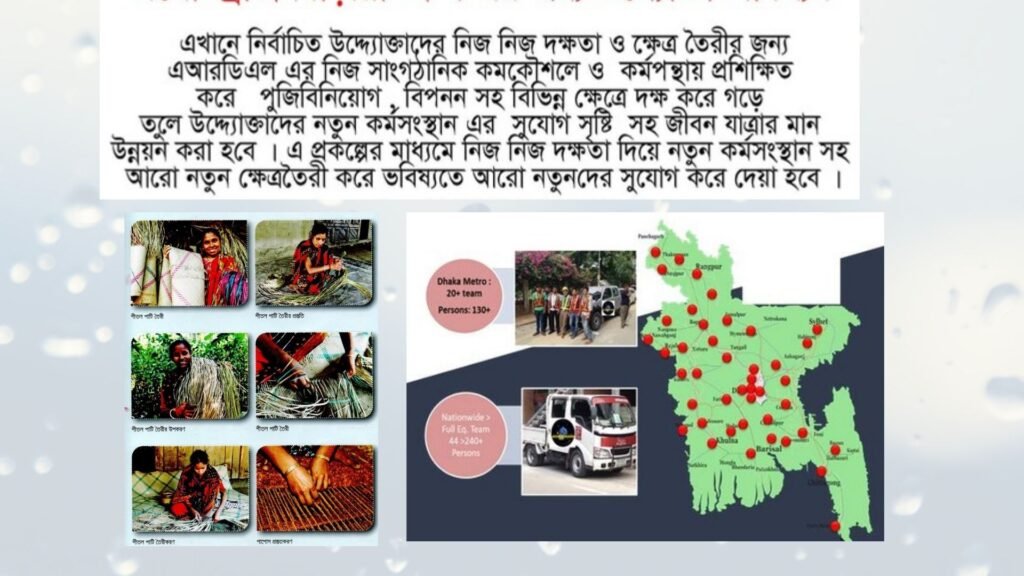
🇧🇩 ARDL Skill-to-Enterprise Network: Empowering Local Crafts to National Growth 🔹 Vision: Transforming traditional craftsmanship into modern, income-generating enterprises across Bangladesh through training, innovation, and sustainable production. 🧶 Grassroots Empowerment: The photos show women entrepreneurs crafting pita mats and traditional handwoven goods — examples of how ARDL trains and uplifts local artisans through: Technical skill development Production & quality improvement Market linkage & entrepreneurship mentoring 🌍 National Workforce Distribution: Dhaka Metro: 20+ teams, 130+ personnel Nationwide Coverage: 44+ full equipment teams, 240+ trained members Operational hubs in 64 districts — from Rangpur to Cox’s Bazar 🏭 Impact: Through ARDL’s model, rural artisans evolve into self-sufficient micro-entrepreneurs, creating new employment opportunities and boosting local economies. This initiative integrates training, production, and market networks — ensuring sustainable livelihoods and long-term skill retention.
For ARD Collaboration

ARD Studio is the creative, strategic, and entrepreneurial wing of Architecture Research & Development Ltd. (ARD), focusing on sustainable product design, eco-tourism visuals, youth promotion, and content creation for rural innovation and development.

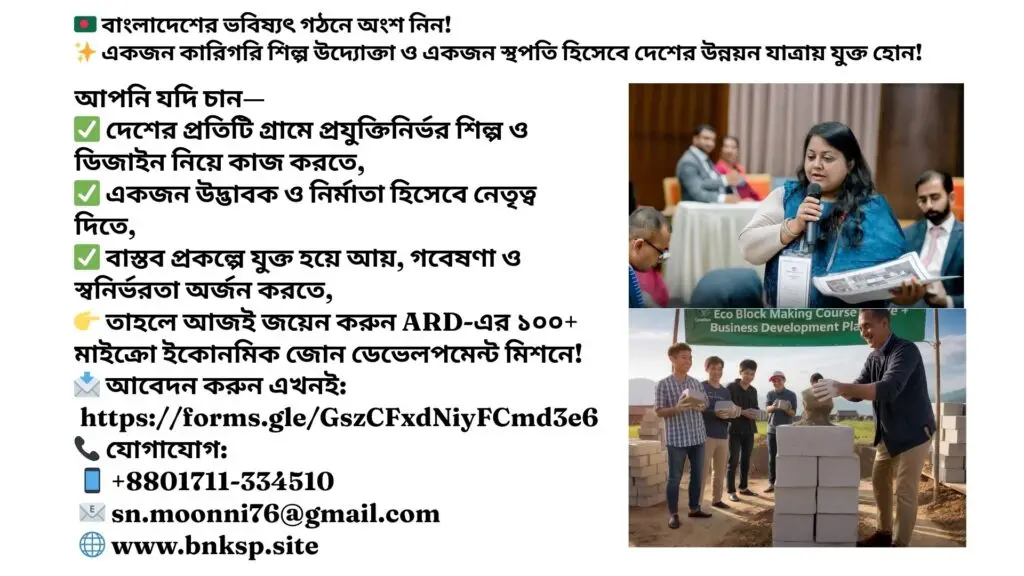
🌾 ARD Studio Invites You to Co-Create the Future of Rural Bangladesh

🚀 534 Upazilas | 350+ Business Models | 1 Goal: Get Rich Together by 2050 🌍


ARD Studio Invites You to Co-Create the Future of Rural Bangladesh
🌾 ARD Studio Invites You to Co-Create the Future of Rural Bangladesh
ARD Studio Business Partners
Climate Smart Consultancy

🌾 ARD Studio Invites You to Co-Create the Future of Rural Bangladesh

🚀 534 Upazilas | 350+ Business Models | 1 Goal: Get Rich Together by 2050 🌍

Are you an investor, social entrepreneur, development leader, or just someone with a dream to make a difference?

Let’s transform villages into vibrant economic zones through eco-friendly businesses like:
🍄 Mushroom farming
🧼 Handmade soap & cosmetics
🥬 Rooftop gardens & compost
🎨 Handicrafts & printing
🍬 Agro-processing & frozen food
🧱 Construction materials
🧑‍💻 Digital services & smart homes

💰 Investment Options: Start with ৳5L, ৳10L, ৳50L, or ৳1 Cr
✅ Shariah-compliant model
📈 25–35% potential return
🧑‍🎓 Full training, documentation & market linkage
🌐 Global network access via #GetRich2050 Club

We’ve already mobilized micro-investors, youth teams, and 350+ scalable business concepts across Bangladesh.

🔗 Ready to be part of a national transformation?
📞 Call: +8801711334510

Sustainable Development at Sylhet
Sustainable Development at Sylhet"
🌱 Make Your Free Space into a Garden (Urban/Rural Gardening Idea)
ARD Studio. @ARDStudioBD. 8.92K subscribers•2.8K videos. Welcome to ARD ... Music and Tour |Gazipur Eco Resort Share Sale | Invest Eco-Tourism Bangladesh.
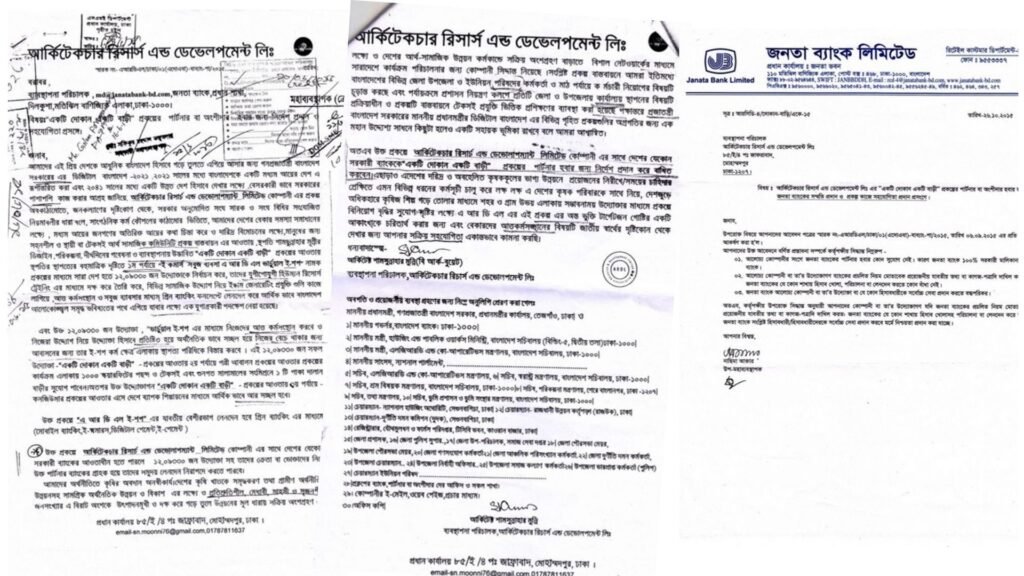
🏛️ Official Correspondence Summary — ARDL & Janata Bank Limited
🌾 ARD Studio Invites You to Co-Create the Future of Rural Bangladesh
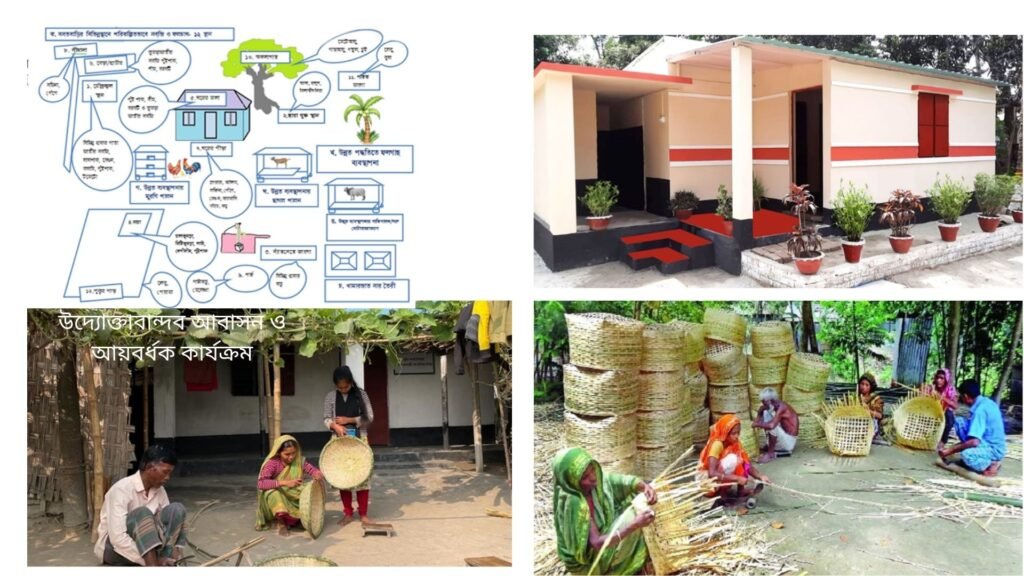
🏠 Entrepreneurial Housing and Income-Generating Program (উদ্যোক্তাবান্ধব আবাসন ও আয়বর্ধক কার্যক্রম)
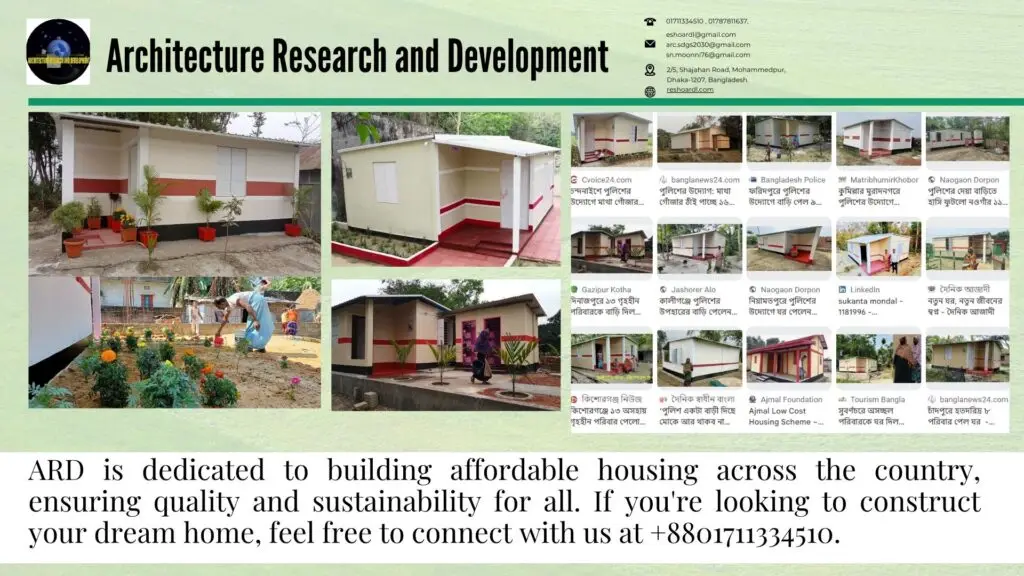
Low cost Home
🏡 ARD Affordable Housing & Sustainable Living Program
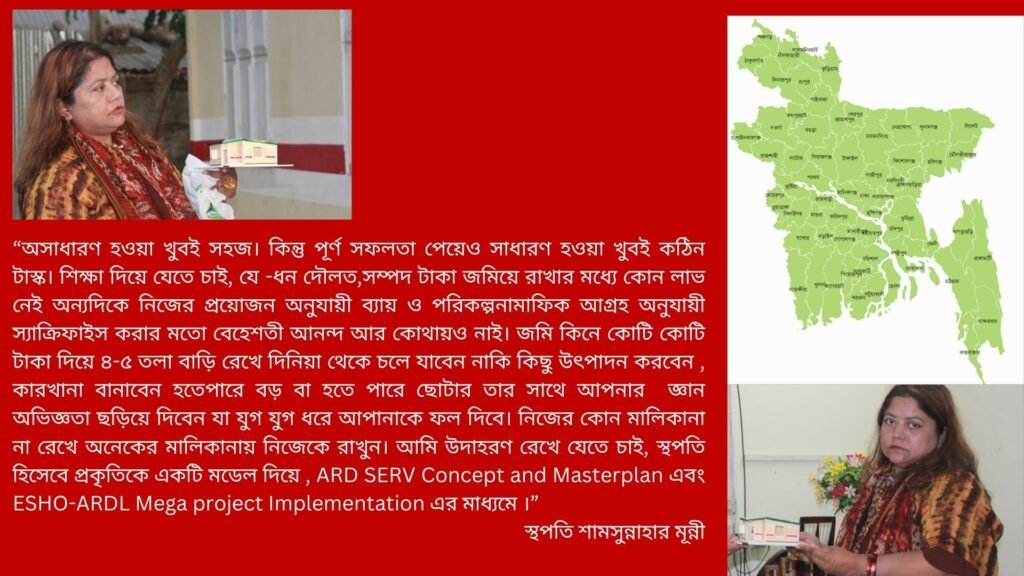
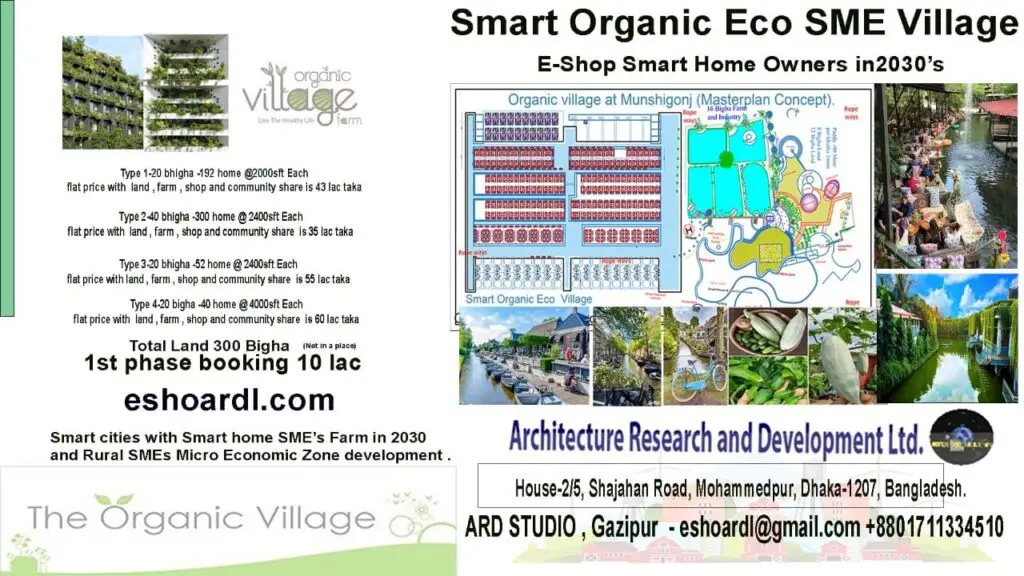
🌏 Architect Sumsun Nahar Moonni — Vision Behind ARD SERV & ESHO-ARDL Masterplan
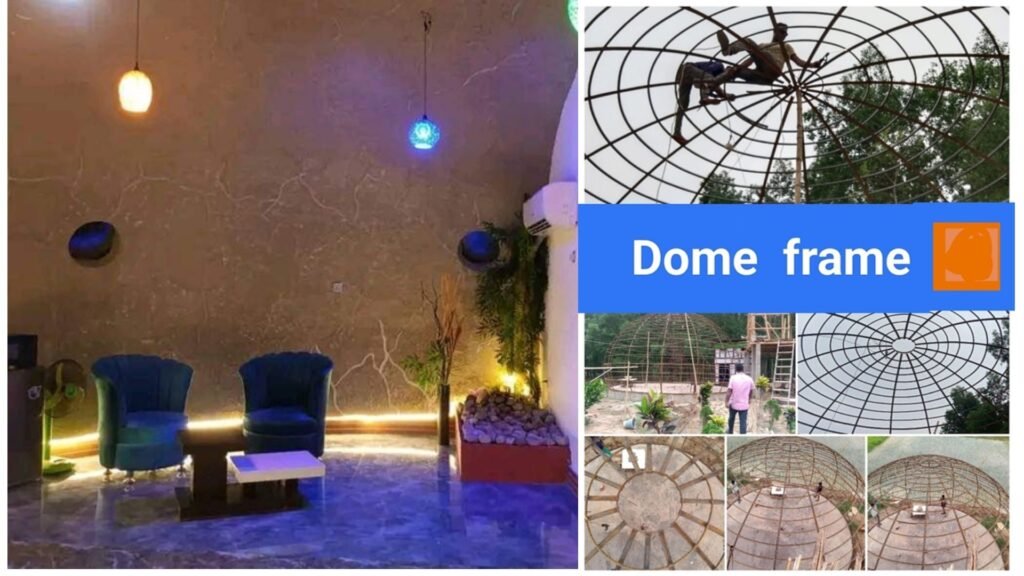
🏗️ Eco-Building Materials in Construction – Bangladesh
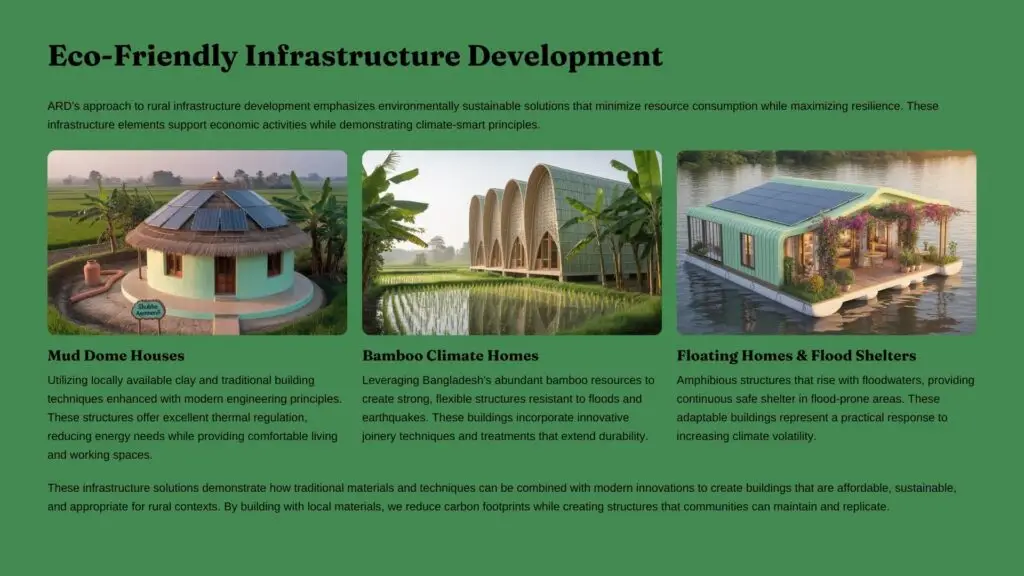
🏗️ Eco-Building Materials in Construction – Bangladesh 👷‍♀️ Harmonious Fusion: Mud and Steel Embrace in Dome-Shaped Building Design 🌍 Under the leadership of Architect Sumsun Nahar (ARD), this dome-shaped prototype represents a fusion of tradition and technology — where mud, bamboo, and steel come together to redefine sustainable architecture in Bangladesh.
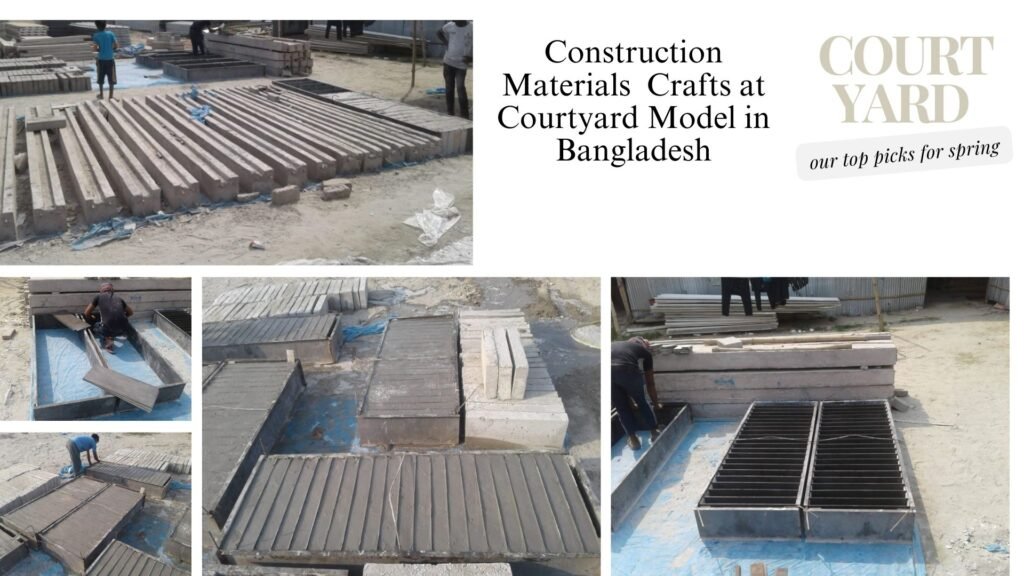
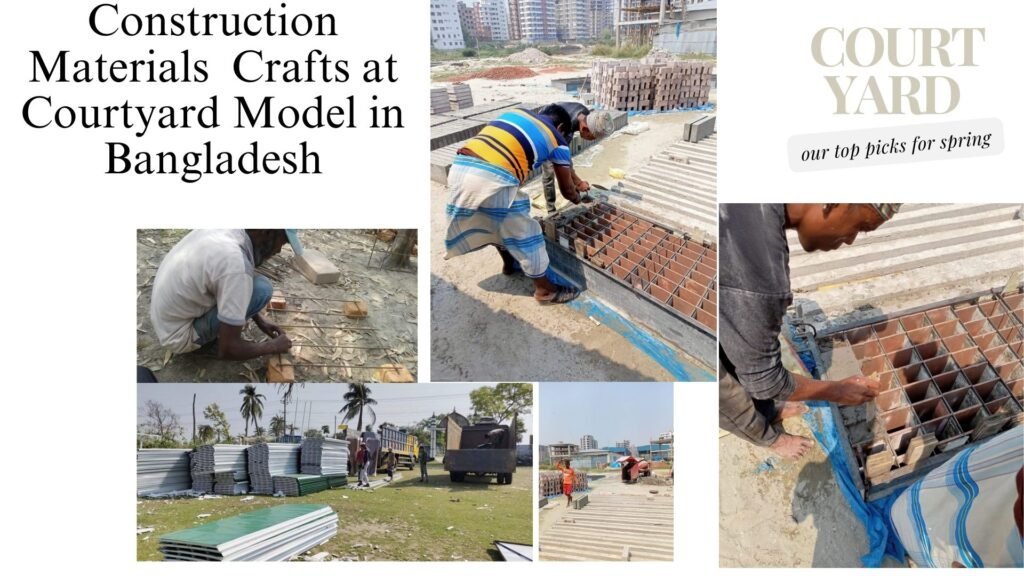
🧱 Construction Materials Crafts at Courtyard Model in Bangladesh Sustainable Building Components for the Future of Rural Architecture The Courtyard Model by Architecture Research and Development (ARD) showcases how locally crafted precast materials can transform both rural and urban construction.
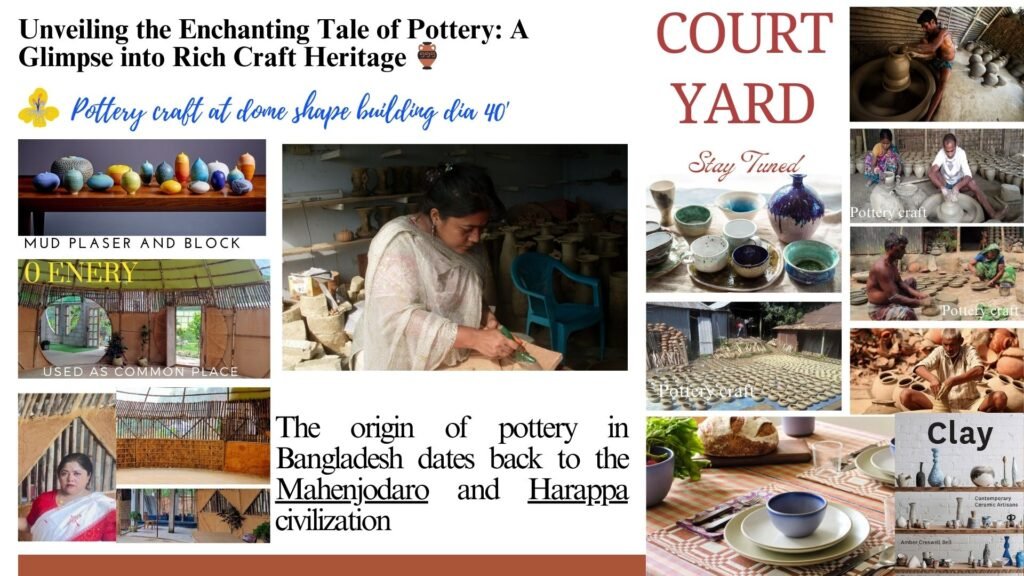
🏺 Architect Sumsun Depicting the Art of Pottery Craft and Terracotta
🏺 Architect Sumsun Depicting the Art of Pottery Craft and Terracotta Reviving the Spirit of Clay Through Architecture, Culture, and Sustainable Design

🚀 534 Upazilas 350+ Business Goal: Get Rich Together 2050 🌍

ARD: Building a Smart, Sustainable Bangladesh

ARD's training 2009-2013
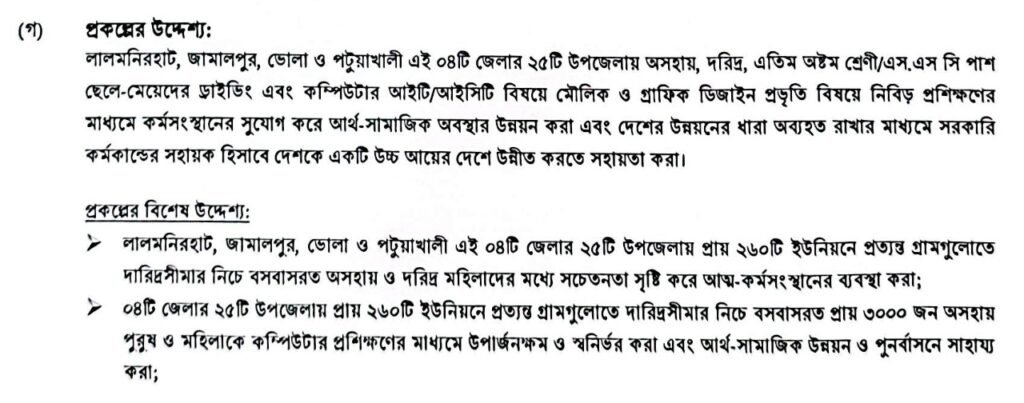
🎓 ARD’s Training & Capacity Building Program with Rural Habitation and Craft Village Development

🎓 ARD’s Training & Capacity Building Program with Rural Habitation and Craft Village Development

(Implemented by Architecture Research & Development – 2009 to 2018) and 2000-till 2025

Background & Vision

Since 2009, Architecture Research and Development (ARD) has been conducting an integrated Training and Capacity-Building Program aligned with sustainable rural transformation, inclusive housing, and local entrepreneurship development.
The initiative bridges technical education, rural habitation design, and creative craft-based industries, empowering thousands of marginalized men and women across Bangladesh.

ARD’s goal has always been to prove that architecture is not just about buildings — it’s about building livelihoods.

🎙️ Architecture Research & Development (ARD): 2005–2025 Journey Toward a Smart, Sustainable Bangladesh

Phase I – The Beginning (2005–2007): Human-Centered Design

ARD’s story began in 2005 with a deeply personal realization — the need to design environments that truly support people’s lives.
As a young mother and architect, I witnessed how women at home lacked access to networks, creative space, and independence. That experience inspired my first concept:
building a social ecosystem inside the home — where architecture could enable dignity, livelihood, and emotional well-being.

Between 2005 and 2007, we extended this idea into a larger framework: creating employment opportunities across rural, semi-urban, and urban Bangladesh through design, planning, and localized resource use.


Phase II – Nationwide Survey & Human Resource Development (2007–2009)

From 2007 to 2009, ARD conducted extensive surveys across 4,479 unions, mapping resources, social infrastructure, and skill potentials.
We developed a sustainable habitation model using locally available, affordable materials and introduced a human-resource training program:
three coordinators per union, each trained for 3–6 months.
The course fee was BDT 5,570, and over 30,000 applicants applied nationwide.

Although our fundraising goal was BDT 7.48 crore, we trained 300 participants during the pilot phase.
This data shaped a stronger model, expanding into 534 unions — areas with local police stations for better safety and coordination.


Phase III – Facing Challenges & Global Interest (2009–2013)

As a woman-led organization, ARD faced social, political, and institutional resistance.
Despite those barriers, our ideas attracted global investors:

  • British Investment Group (BIG) pledged USD 150 million (≈ BDT 1,567 crore), submitted to BIDA.

  • ANZA International (Canada) offered another USD 150 million through NGO partnerships.
    Both proposals reached the Prime Minister’s Office, yet bureaucratic corruption and greed halted progress.
    We refused to compromise integrity — and moved forward independently.

During this time, ARD implemented its own survey, feasibility, and beneficiary-selection programs, operating step by step under the AID Model.
Each union targeted 270 trained entrepreneurs, and ARD partnered with Janata Bank, which agreed to finance graduates of our training.
This partnership birthed the “ESHO Smart Home” concept — One House, One Business Center.


Phase IV – Expansion and Real-World Projects (2013–2018)

ARD expanded into housing, tourism, and sustainable entrepreneurship:

  • Built and sold studio-flat business packages in Hazaribagh, Zafrabad, and West Dhanmondi.

  • Identified riverbank areas nationwide, constructing eco-friendly homes for sale.

  • Launched Eco Resort and Tourism Development — linking architecture, environment, and income.

  • Collaborated with international NGOs on proposals, feasibility studies, and master planning for transforming arid and underdeveloped regions into productive, green economies.

Every project was self-funded. Even while carrying yearly loans of millions of Taka, ARD never stopped.
We repaid, rebuilt, and kept innovating — establishing assets like the Gazipur Training and Model House Center, and designing over 30 community clubs under the “Club Five” initiative.


Phase V – Smart Awareness & Network (Post-2020)

By 2020, concepts like smart awareness, smart networks, and digital promotion offices became mainstream — ideas that ARD had pioneered as early as 2013.
Now operating across 534 master-planned areas, our 300 change coordinators are leading regional ecosystems — combining digital innovation with community-driven entrepreneurship.
The nation has caught up to the vision we began a decade ago.


Phase VI – Advanced Urban Master Planning (2020–2024)

ARD prepared 16–17 detailed master plans in Dhaka and nearby riverfront zones, focusing on:

  • Employment generation

  • Tourism (eco, service, and cultural)

  • Kacha & kitchen markets

  • Site development & beautification

  • Waste and disaster management

  • Climate analysis

  • Childcare & health awareness

  • Physical well-being and social inclusion

These plans merge environmental resilience with urban growth, forming a blueprint for city-village integration.


Phase VII – Divisional Expansion

Using the Dhaka model, ARD divided the eight divisions into ten planning zones.
Each zone oversees 100 detailed master plans, addressing housing, agriculture, industry, tourism, education, and health.
This structure decentralizes national planning and empowers local governments under the ARD 5G–3Z Framework
5G = Green, Global, Great Generation Group
3Z = Zero Poverty, Zero Unemployment, Zero Net Carbon.


Phase VIII – The One Crore Employment Master Plan (Post-July 2025)

In 2025, ARD unveiled its ultimate initiative — a national master plan to create 10 million jobs through the Micro Economic Zone (MEZ) and Smart Village Ecosystem.
This integrated approach connects housing, tourism, agriculture, services, and entrepreneurship into one living economic framework.


🌿 The Current Vision: Integrated Sustainable Tourism & Livelihood Ecosystem

Our newest initiative transforms every rural and peri-urban zone into a vibrant micro-economy powered by diverse forms of thematic tourism and community innovation, including:

1. Economic & Employment Platforms

  • Micro Economic Zones (MEZ):
    Each zone combines local farming, processing, trading, and tourism into one cluster — generating direct employment and SME growth.

  • Get Rich Club 5G–3Z Network:
    A national social-business network linking entrepreneurs, youth, and investors through digital and physical “Smart Clubs.”

2. Thematic Tourism Initiatives

  • Eco Tourism & Agro Tourism: Experience farming, sustainability, and green living.

  • Village Tourism & Riverside Tourism: Celebrate rural culture and river heritage.

  • Food Tourism & Bazar Tourism: Connect local kitchens, street food, and organic markets to travelers.

  • Service Tourism: Empower youth through hospitality, wellness, and event services.

  • Sports Tourism & Camp Tourism: Encourage recreation, fitness, and youth adventure.

  • Club Meeting Tourism: Create dynamic hubs for knowledge exchange through 3Z and 5G Get Rich Clubs.

  • Education & Training Tourism: Offer workshops, technical education, and skill exchange programs.

  • Health Awareness & Children Picnic Tourism: Build family engagement, preventive healthcare, and joyful learning environments.

3. Sustainable Design Components

  • Roof Gardens & Mini Gardens: Promote urban food production and green cooling.

  • Mini Farm Villages & Craft Villages: Blend agriculture and handmade crafts into living design labs.

  • Model Homes & Zero-Waste Zones: Demonstrate low-carbon construction and circular economy principles.

  • Community Training Centers: Provide ongoing technical and entrepreneurial development.


🌏 Conclusion – Building the Future of Smart Bangladesh

From one woman’s idea in 2005 to a nationwide 10-million-employment plan in 2025, ARD’s journey is proof that architecture can be the bridge between economy, ecology, and equity.

We have moved from vision to action — from a single home to an entire nation of smart, sustainable communities.
Our next step is global collaboration — linking Bangladesh’s innovation model with partners worldwide to achieve the UN SDGs by 2030 and realize the dream of a Smart, Resilient, and Prosperous Bangladesh 2041.
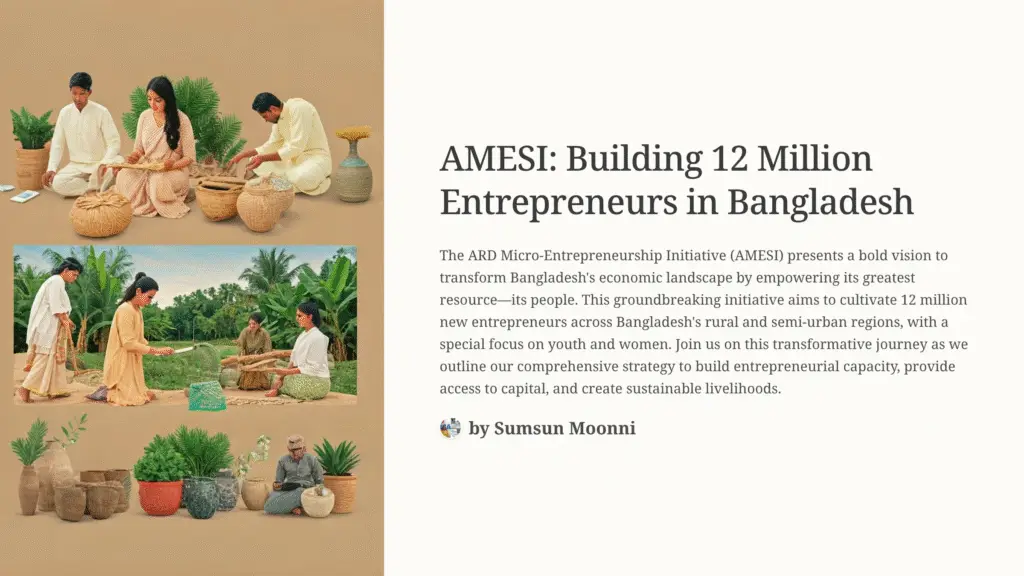
Twenty years of transforming vision into reality—from one mother’s idea to a national movement creating 10 million jobs through integrated, human-centered design.

🧱 Construction Materials Crafts at Courtyard Model in Bangladesh Empowering Local Hands to Build the Future
🧱 Construction Materials Crafts at 🧱 Construction Materials Crafts at Courtyard Model in Bangladesh Empowering Local Hands to Build the Future Architecture Research and Development (ARD) is pioneering the Courtyard Model — a sustainable construction ecosystem where innovation meets inclusivity. These images showcase the making of precast concrete components, reinforced panels, and modular blocks, all designed to support low-cost housing, eco-domes, and micro infrastructure across Bangladesh.
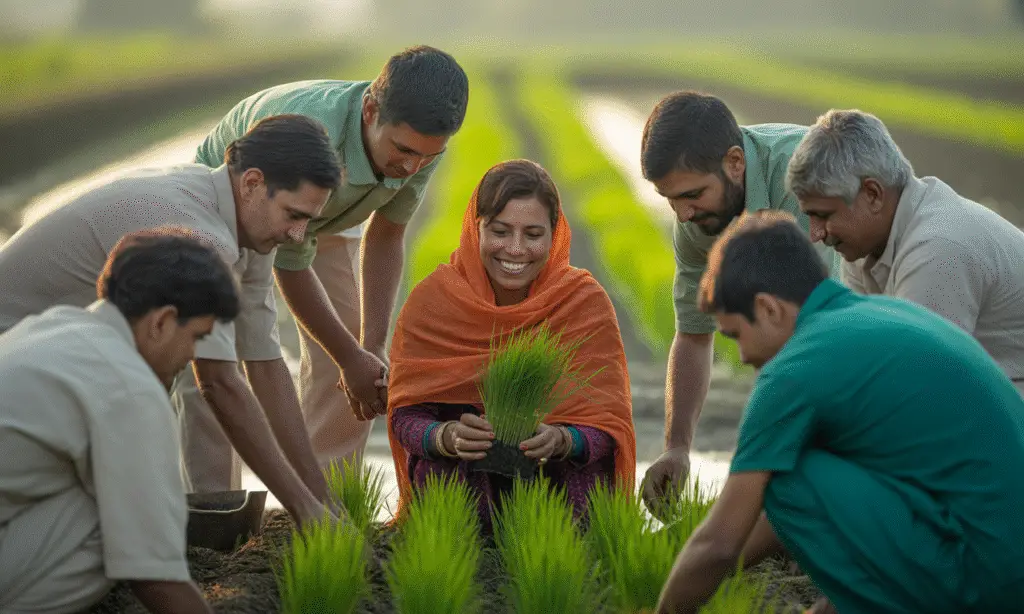
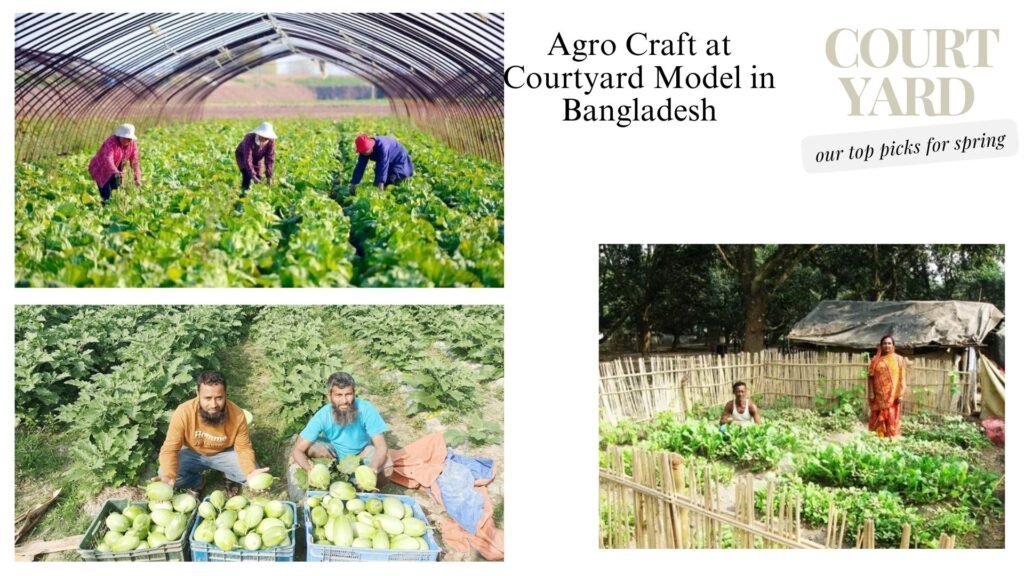
🌾 Agro Craft at Courtyard Model in Bangladesh Blending Architecture with Agriculture for Sustainable Rural Living
🌾 Agro Craft at Courtyard Model in Bangladesh Blending Architecture with Agriculture for Sustainable Rural Living Under the visionary leadership of Architect Sumsun Nahar (ARD), the Agro Craft Courtyard Model connects housing design with productive landscapes — where every yard becomes a field of opportunity. This model encourages families to cultivate vegetables, fruits, and herbs within their homesteads, supported by small-scale greenhouses, vertical gardens, and compost systems.
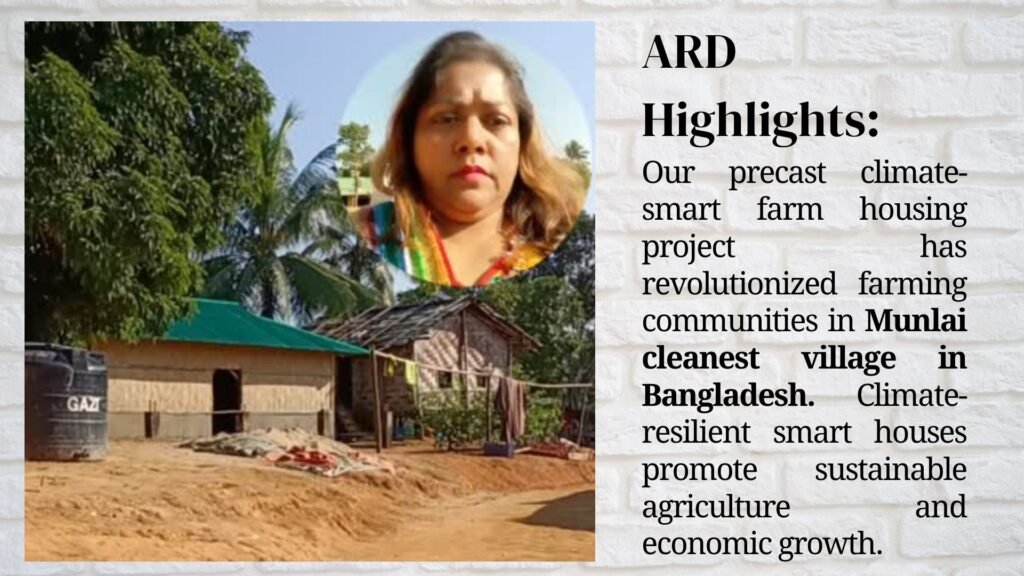
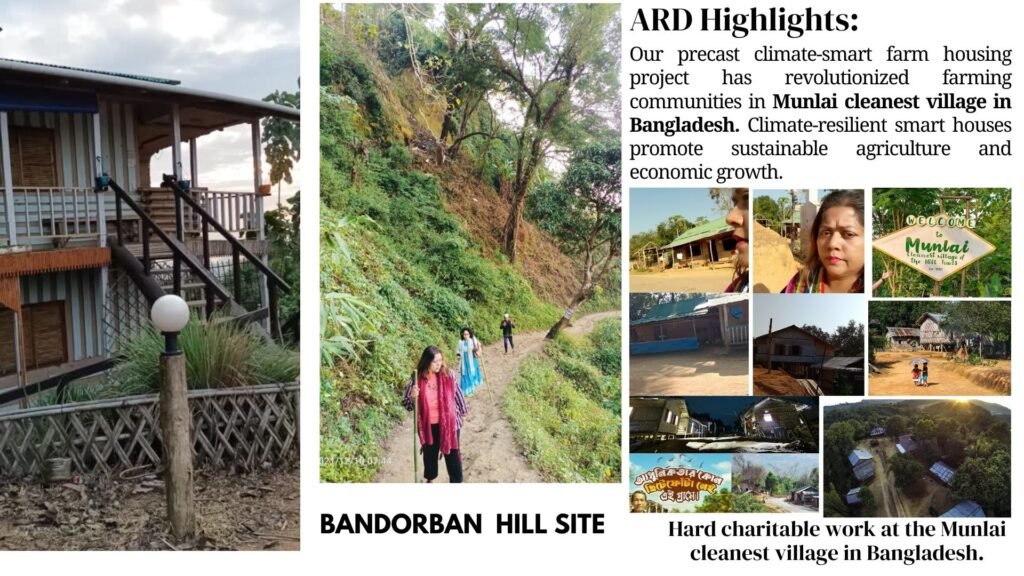
🌱 ARD Highlights Empowering Climate-Smart Living Across Rural Bangladesh Our precast climate-smart farm housing initiative has transformed the way rural communities live and farm — beginning with Munlai, recognized as one of the cleanest villages in Bangladesh.
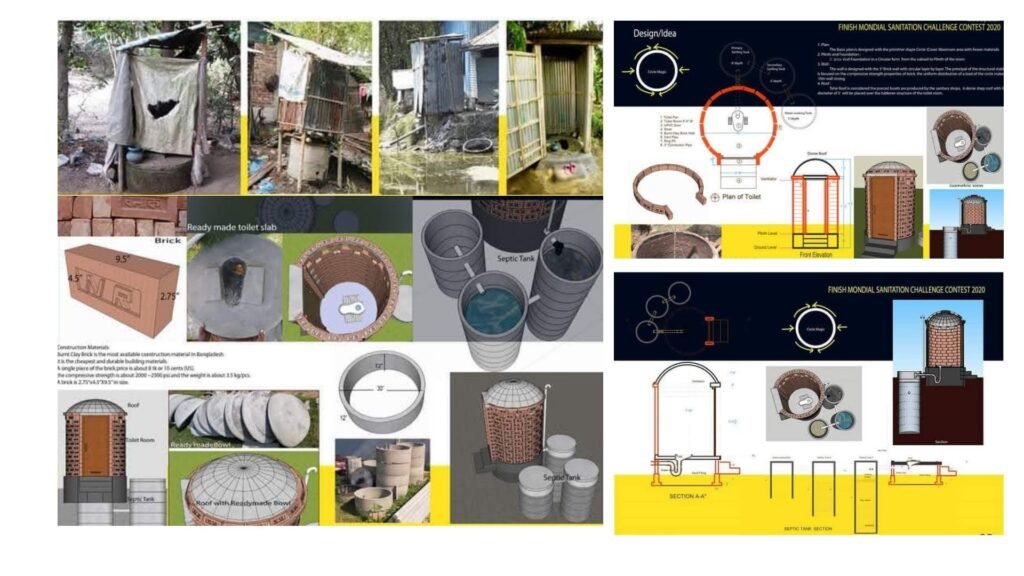
🚻 Sustainable Sanitation Innovation — ARD’s Circular Toilet Design Revolutionizing Rural Hygiene and Waste Management in Bangladesh Architecture Research and Development (ARD) has developed an innovative circular toilet design to address Bangladesh’s sanitation challenges in flood-prone and rural areas.
🚻 Sustainable Sanitation Innovation — ARD’s Circular Toilet Design Revolutionizing Rural Hygiene and Waste Management in Bangladesh Architecture Research and Development (ARD) has developed an innovative circular toilet design to address Bangladesh’s sanitation challenges in flood-prone and rural areas. The design was conceptualized for the Finish Mondial Sanitation Challenge 2020, focusing on transforming unsafe traditional setups into durable, hygienic, and eco-friendly sanitation systems. 🔹 Key Design Features: Circular Masonry Structure: Promotes stability and efficiency while minimizing material waste. Dome Roof with Ready-Made Slab: Provides protection from rainwater and improves ventilation. Twin Septic Tank System: Ensures proper waste segregation and decomposition. Modular Precast Components: Allow easy installation, even in remote areas. Low-Cost Local Materials: Brick, cement, and bamboo—making it affordable and replicable. 🌍 Impact: This model supports public health, climate resilience, and women’s safety, while generating local employment in material production and maintenance. It’s a scalable innovation under ARD’s SERV & ESHO Smart Village Masterplan, linking sanitation, housing, and circular economy principles.
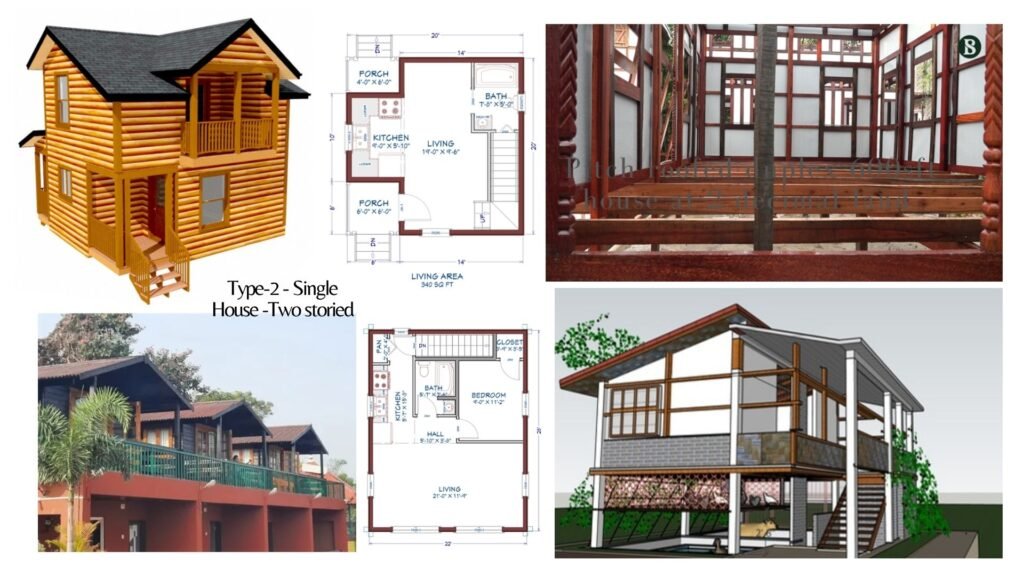
🏡 ARD Type–2 Single House (Two-Storied Model) Compact, Elegant, and Sustainable Living for Future-Ready Communities Architecture Research and Development (ARD) introduces the Type–2 Two-Storied Single House Model, designed for families, entrepreneurs, and eco-resorts seeking modern comfort with a sustainable footprint.
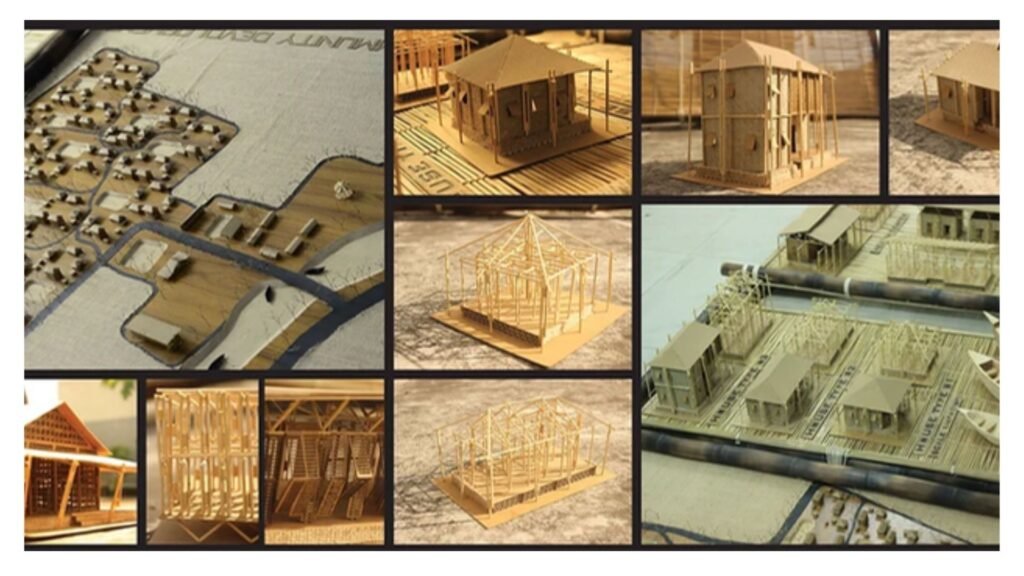
🏗️ ARD Architectural Models — Sustainable Rural & Floating Habitat Design Crafting Scalable Models for Climate-Smart Living in Bangladesh Architecture Research and Development (ARD) demonstrates its design philosophy through these architectural models, developed as part of the Smart Village & Micro Economic Zone (MREZ) initiative. Each model embodies eco-adaptive architecture, integrating bamboo, wood, and modular structural systems suitable for floodplains, coastal areas, and hilly regions.
🌄 ARD Highlights — Munlai Climate-Smart Village, Bandarban Hill Site Where Sustainable Architecture Meets Human Resilience Architecture Research and Development (ARD) has implemented a groundbreaking Precast Climate-Smart Farm Housing Project in Munlai — the cleanest village in Bangladesh, located in the hills of Bandarban.
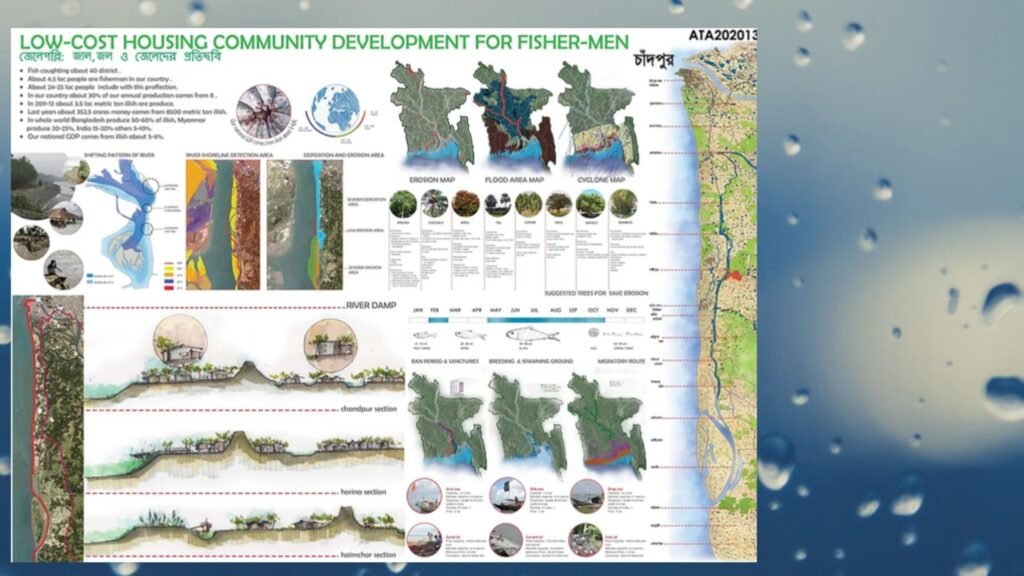
🌊 Low-Cost Housing & Community Development for Fishermen Integrating Ecology, Economy, and Architecture for Riverine Bangladesh Developed by Architecture Research and Development (ARD), this project proposes a climate-adaptive housing strategy for vulnerable fishing communities across Bangladesh’s coastal and riverine belts — particularly focused on River side Districts.
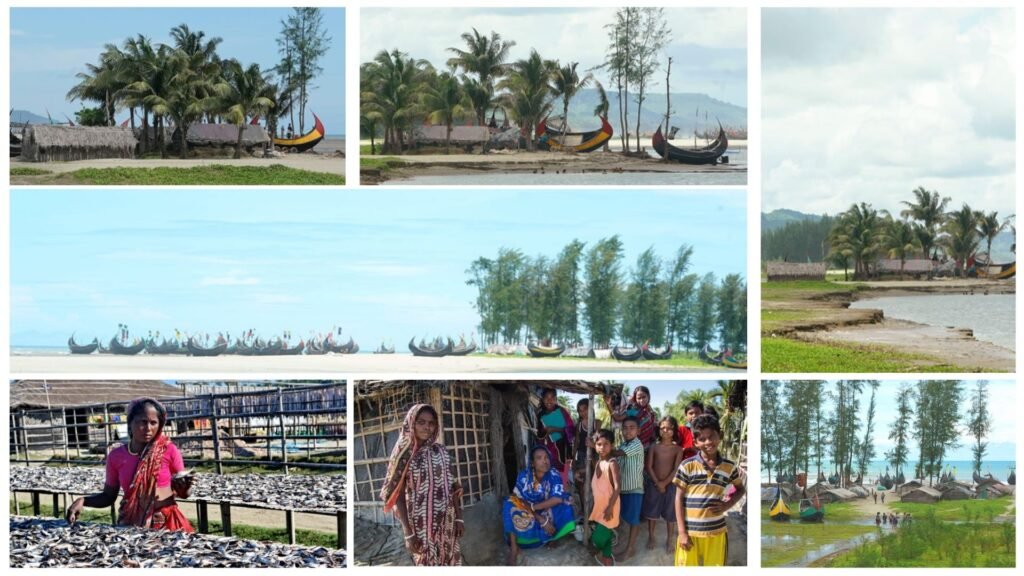
🌊 Coastal Life & Blue Economy — Fishermen Communities of Bangladesh Where Land, Water, and Livelihood Intertwine These photographs capture the daily rhythm of Bangladesh’s coastal fishermen communities — where boats, palm groves, and sea winds define both survival and tradition. From Teknaf to Kuakata, these coastal belts represent not only livelihood but also cultural resilience and environmental fragility.
Cultural Economy & Rural Innovation Model
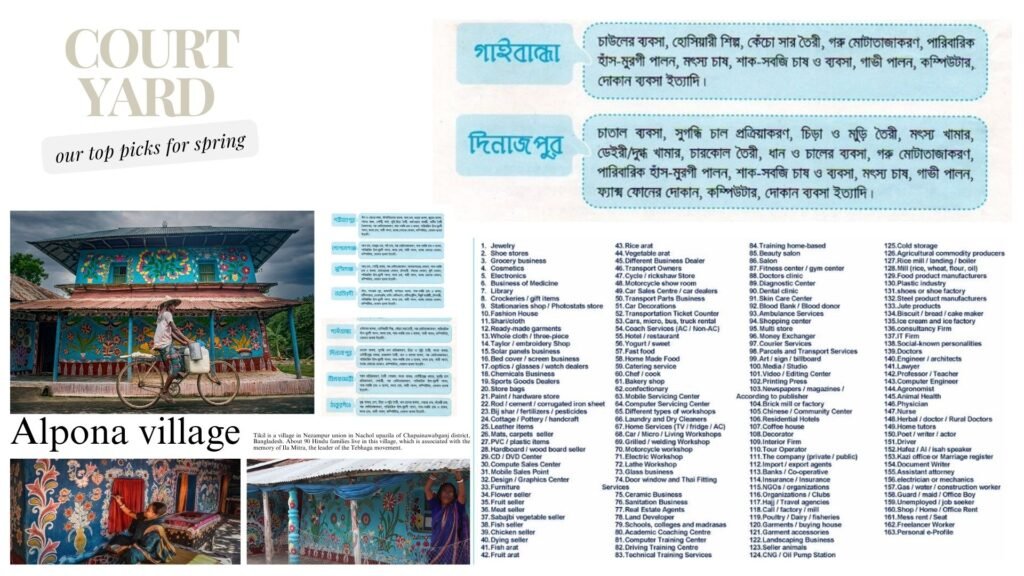
🎨 Alpona Village — Cultural Economy & Rural Innovation Model A Celebration of Art, Livelihood, and Local Entrepreneurship The Alpona Village Model demonstrates how artistic heritage, women’s creativity, and small enterprise can reshape rural economies. Inspired by Tikli village in Naogaon, where Hindu families preserve the legacy of Ila Mitra and the Tebhaga movement, this model integrates craft-based tourism, sustainable housing, and courtyard entrepreneurship. 🔹 Concept Highlights: Art & Identity: Hand-painted Alpona motifs on homes showcase cultural pride and attract visitors. Economic Empowerment: Local artisans, women, and youth lead micro-businesses — from handicrafts and agri-processing to retail and digital services. District Adaptation: Each district (e.g., Gaibandha, Dinajpur, and others) is mapped with unique enterprise potential — agriculture, fish farming, brick crafts, fashion, cold storage, and ICT. Business Diversification: Over 130+ trade categories empower local entrepreneurs — from tailor shops to solar plants, from beauty salons to cold storage facilities. 🌿 Vision: Through the ARD Courtyard Initiative, the Alpona Village becomes a prototype for climate-smart, art-driven, and self-sustaining rural micro-economies — blending cultural aesthetics with modern livelihood systems.

💼 Profitable Business Ideas for Villages — 2024 Edition

Designed under the ARD Courtyard & Micro Economic Zone Model

The future of Bangladesh’s rural economy lies in smart, diversified entrepreneurship — blending traditional agro-based ventures with digital-age innovation.

🌾 Agro & Production-Based Enterprises

  • Organic produce and fertilizer manufacturing

  • Poultry, dairy, and fishery farms

  • Flower and fruit cultivation

  • Solar-powered flour, oil, and rice mills

  • Herbal and ayurvedic medicine farming

💡 Tech & Digital Ventures

  • Web development, data analysis, and software startups

  • Online retailing, affiliate marketing, and IoT-based agritech

  • Computer training institutes and freelance service hubs

🛍️ Cottage & Craft Industries

  • Clothing, handicraft, and jewelry boutiques

  • Candle, spice, detergent, and snack-making units

  • Furniture and eco-product manufacturing

🚜 Service & Support Businesses

  • Transportation, catering, food truck, and courier services

  • Beauty parlors, daycare centers, gyms, and tourism ventures

  • Agriculture consultancy, seed certification, and address verification

🌎 The Vision

By integrating 534 Rural Micro Economic Zones (MREZ) and 10,000 Courtyard Clusters, ARD’s model aims to generate 1 crore sustainable jobs through village-to-global entrepreneurship.

🇧🇩 ARDL Skill-to-Enterprise Network: Empowering Local Crafts to National Growth
🇧🇩 ARDL Skill-to-Enterprise Network: Empowering Local Crafts to National Growth 🔹 Vision: Transforming traditional craftsmanship into modern, income-generating enterprises across Bangladesh through training, innovation, and sustainable production. 🧶 Grassroots Empowerment: The photos show women entrepreneurs crafting pita mats and traditional handwoven goods — examples of how ARDL trains and uplifts local artisans through: Technical skill development Production & quality improvement Market linkage & entrepreneurship mentoring 🌍 National Workforce Distribution: Dhaka Metro: 20+ teams, 130+ personnel Nationwide Coverage: 44+ full equipment teams, 240+ trained members Operational hubs in 64 districts — from Rangpur to Cox’s Bazar 🏭 Impact: Through ARDL’s model, rural artisans evolve into self-sufficient micro-entrepreneurs, creating new employment opportunities and boosting local economies. This initiative integrates training, production, and market networks — ensuring sustainable livelihoods and long-term skill retention.